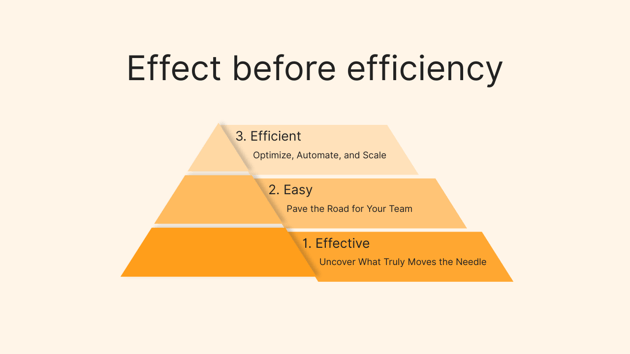


There are a lot of moving parts to consider when you work with operations, and even more if you are working on updates to active processes. By realizing early that you are very likely to make a few mistakes, and be prepared to deal with that as it emerges, you will save yourself some frustrations later on. The scope and the available information will almost always change, or at least become a lot more clear during implementation of new operation processes.
If you haven't read it already, check out our article about The three critical phases of process design to read more about how you can approach a complex process design project.
Planning everything in advance
Trying to plan out every detail before you start is a very common approach that I think should be avoided. Specially consultants or advisors from other parts of your organization naturally want to have as detailed of a scope as possible, for many reasons. But not leaving enough room for changes in the plan as you learn new details may just become a re-scoping nightmare to deal with while in the middle of a big project.
The reason why I think this should be avoided is because you will not have all the necessary information before you start, and you will need enough "wiggle room" in your plan to adjust to feedback and new details as you go. The better approach is to work on one phase at a time, and get proper feedback from the relevant stakeholders (including the team members!) before you proceed to the next phase.
Excluding the team members
There is a very good reason for why most project managers will try to limit the number of people who get to be decision makers in their project. Too many opinions is simply not helpful, and it prevents necessary progress. However, not having the entire sales staff in a project meeting does not mean they should not be heard.
Communicate clearly and frequently, set expectations early, and make sure a team leader or a selected few can advocate for concerns, potential misunderstandings, or alternative ideas on behalf of the team. If the employees who will work with your process every day does not understand or agree with how you do things, they are not likely to perform well either.
Optimizing from the start
You could argue that this is just repeating the three phases and doing them in the correct order, but I will say it again. It is very common to start optimizing as much as possible right out of the gate, and this can hurt your project for a number of reasons.
Automating or simplifying something as basic as sales-marketing feedback can prevent you from identifying the most important reasons or categories to track early in you project.
In addition, optimizing on a process before you have the methods figured out yet will often just lead to a lot of time to implement something that you will spend even more time changing several times before it is even used.
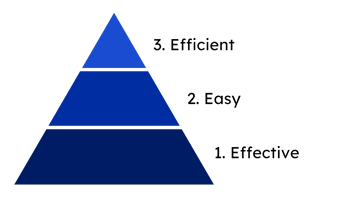
Build an effective and consistent foundation before you fixate on efficiency.
Consider this example: Imagine you want to move your boat across the water as fast as possible, so you spend the first two months perfecting your rowing technique. You will have measurable improvements over time, and every right to pat yourself on the back for consistently improving your performance week by week. After two months you look at the attached motor see that the tank is empty.
Not only is your new skillset rendered irrelevant, but the training kept you from realizing a much more effective solution earlier.